Introduction
Robots are becoming increasingly capable of performing tasks in warehouses, factories, hospitals, farms, and public spaces. From autonomous mobile robots (AMRs) to inspection drones and delivery systems, robotics technology is helping organizations improve efficiency and scale operations.
However, greater autonomy does not mean that robots can operate without human involvement in every situation.
Unexpected obstacles, changing environments, equipment failures, safety concerns, and unusual operating conditions can create situations where human judgment becomes essential.
This is where human-in-the-loop robotics comes into the picture.
Human-in-the-loop robotics combines autonomous technology with human supervision, assistance, and intervention when needed. It allows robots to perform routine tasks independently while keeping people involved in important decisions and exceptional situations.
This guide explains what human-in-the-loop robotics means, how autonomy and human oversight work together, where people add the most value, how to make oversight verifiable, and common design mistakes organizations should avoid.
1. Understand What Human-in-the-Loop Robotics Means
Human-in-the-loop robotics is an approach where people remain involved in the operation, supervision, or decision-making process of robotic systems.
Instead of expecting robots to handle every situation independently, organizations create workflows that combine machine capabilities with human judgment.
There are three important concepts to understand:
Autonomy
Autonomy refers to a robot’s ability to perform tasks and make operational decisions without continuous human input.
For example, an autonomous mobile robot in a warehouse may navigate predefined routes, transport materials, and avoid obstacles using onboard sensors and software.
Autonomy is useful for repetitive and predictable tasks where the robot can operate within defined parameters.
Human Assistance
Human assistance involves providing guidance or support when a robot encounters a situation it cannot handle confidently.
For example, an operator may help a delivery robot navigate an unexpected obstacle or assist with a task that requires additional instructions.
This allows the robot to continue working without requiring complete manual control.
Human Oversight
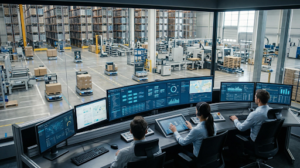
Human oversight means monitoring robotic operations and ensuring that systems operate within approved safety, operational, and compliance requirements.
Operators or supervisors may review alerts, monitor robot activity, investigate unusual events, and intervene when necessary.
Helpful tip: A successful robotics deployment should define which tasks robots can perform independently and which situations require human assistance or approval.
2. Where Humans Add the Most Value in Robotics Operations
Human involvement is especially important when robotic systems encounter uncertainty, safety risks, or situations that require contextual judgment.
Here are some areas where human oversight can make a difference.
Handling Unexpected Situations
Robots are designed to operate within specific conditions. However, real-world environments constantly change.
An unexpected obstacle, blocked pathway, equipment malfunction, or unusual operating condition may require human attention.
Human operators can review the situation and provide appropriate instructions.
Safety Monitoring
Safety is essential when robots operate around people, vehicles, equipment, and shared workspaces.
Human supervisors can monitor operational alerts, review potential safety concerns, and ensure that established procedures are followed.
Exception Handling
Not every operational problem can be solved through predefined automation.
A robot may experience navigation difficulties, lose communication, or encounter an unfamiliar situation.
Human intervention can help resolve these exceptions and reduce unnecessary downtime.
Quality Assurance
Human reviewers can examine operational records, task completion information, and unusual events to identify areas that require improvement.
This is particularly useful in environments where operational accuracy and consistent service quality are important.
Decision-Making in Complex Environments
Some decisions require understanding the broader situation rather than simply following programmed instructions.
Human judgment can provide additional context when robotic systems encounter unusual or high-impact situations.
Remember: The goal of human involvement is not to control every robot movement. It is to provide the right level of assistance and oversight when it matters most.
3. Understand Where Human-in-the-Loop Robotics Belongs
Human-in-the-loop robotics can support different industries where autonomous systems operate in dynamic or safety-sensitive environments.
Some common applications include:
Logistics and Warehousing
Warehouse robots transport materials, scan inventory, and support order fulfillment.
Human oversight can help with route exceptions, navigation problems, and operational monitoring.
Manufacturing and Industrial Operations
Industrial robots perform repetitive tasks, assist with inspections, and support production workflows.
Human supervisors can monitor system performance, review anomalies, and address unexpected operational conditions.
Healthcare and Pharmaceuticals
Robots may support sterile transportation, pharmacy automation, and laboratory workflows.
Human oversight helps maintain operational traceability and ensures that exceptions receive appropriate attention.
Smart Cities and Infrastructure
Autonomous cleaning robots, inspection drones, and security patrol systems operate across public and infrastructure environments.
Human monitoring can help identify unusual activity, review operational events, and support responsible deployment.
Agriculture and Environmental Monitoring
Autonomous robots can support harvesting, field mapping, and environmental data collection.
Human operators can review unexpected conditions and ensure that collected information meets operational requirements.
Mobility and Last-Mile Delivery
Delivery robots and autonomous carts navigate environments shared with pedestrians and other vehicles.
Human oversight can help address navigation exceptions and support safer operations.
Helpful tip: The level of human involvement should depend on the robot’s task, operating environment, potential risks, and level of autonomy.
4. How to Make Human Oversight Verifiable
Having a human operator available is not enough to establish reliable oversight.
Organizations also need a way to understand what happened during robotic operations, when an intervention occurred, and whether established procedures were followed.
This is where verifiable oversight becomes important.
Here are five useful practices.
Step 1: Establish Robot Identity
Every robot should have a reliable identity within the operational environment.
This helps organizations understand which system performed a particular task and reduces confusion when managing multiple robots across different locations.
Step 2: Monitor Robot Behaviour
Organizations should track relevant operational activity and identify unusual patterns or deviations from expected behavior.
This helps operators investigate potential problems before they become larger operational issues.
Step 3: Maintain Operational Records
Record important events such as task execution, route information, system alerts, and human interventions.
These records help organizations understand operational history and review incidents when necessary.
Step 4: Establish Clear Intervention Procedures
Define when human operators should intervene, who is authorized to make decisions, and what actions should follow specific alerts.
Clear responsibilities help reduce confusion during unexpected situations.
Step 5: Maintain Compliance Intelligence
Organizations should maintain relevant operational evidence to support internal reviews, safety procedures, and applicable compliance requirements.
Verifiable records make it easier to demonstrate how robotic systems are monitored and managed.
5. Common Human-in-the-Loop Robotics Design Mistakes
Human involvement can improve robotics operations, but poorly designed oversight systems can create additional challenges.
Here are some common mistakes organizations should avoid.
Mistake 1: Keeping Humans Involved in Every Small Action
Requiring human approval for every routine movement or task can reduce the benefits of automation.
Instead, define which activities can happen independently and which require human attention.
Mistake 2: Treating Human Oversight as an Emergency-Only Function
Human oversight should not exist only when something goes wrong.
Continuous operational visibility, regular reviews, and clear escalation procedures help organizations identify potential issues earlier.
Mistake 3: Ignoring Operational Records
Without reliable records, it becomes difficult to understand what happened during an incident or determine whether appropriate intervention occurred.
Maintain relevant logs and reviewable operational evidence.
Mistake 4: Unclear Operator Responsibilities
If nobody knows who is responsible for responding to alerts or approving interventions, important situations may be delayed.
Define responsibilities, escalation paths, and authorization levels in advance.
Mistake 5: Scaling Without Standardized Oversight
A process that works for a small robotics fleet may become difficult to manage across multiple sites.
Organizations should establish consistent monitoring, identity verification, and operational review standards as deployments expand.
6. How V.E.R.O.N. Supports Trust in Robotics Operations
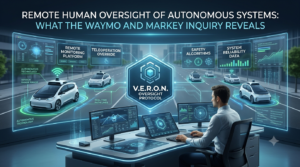
V.E.R.O.N. (Verified Robotics Operations Network) by Verificient Technologies is designed to bring a layer of identity and operational verification to robotics ecosystems.
As robotics deployments expand across industries and locations, organizations need reliable ways to understand robot activity, monitor operations, and maintain verifiable records.
V.E.R.O.N. focuses on three important areas:
- Identity Verification: Establishing reliable robot identity and supporting accountability across robotic operations.
- Behaviour Monitoring: Providing visibility into robot activity and helping identify unusual operational events.
- Compliance Intelligence: Supporting operational transparency through relevant records and verification capabilities.
Its platform capabilities include route verification, AI-assisted video, telemetry, zero-trust teleoperation, vendor-neutral integration, audit trails, and anomaly alerts.
These capabilities support organizations operating robots in logistics, industrial environments, healthcare, infrastructure, mobility, and other sectors.
By combining operational visibility with verification and oversight, V.E.R.O.N. aims to help organizations scale robotics fleets without losing trust, accountability, or operational control.
Learn more about the platform at V.E.R.O.N..
7. Frequently Asked Questions About Human-in-the-Loop Robotics
Q1. What is human-in-the-loop robotics?
Human-in-the-loop robotics is an approach where humans provide supervision, guidance, or intervention while robots perform automated tasks.
Q2. What is the difference between autonomous robotics and human-in-the-loop robotics?
Autonomous robotics allows systems to perform tasks independently, while human-in-the-loop robotics includes people in supervision, assistance, or decision-making when required.
Q3. Why is human oversight important in robotics?
Human oversight helps address unexpected situations, review operational alerts, support safety procedures, and maintain accountability.
Q4. Does human-in-the-loop robotics mean humans control every robot?
No. Robots can perform routine tasks independently. Human involvement is generally focused on exceptions, important decisions, safety concerns, and operational supervision.
Q5. How can organizations verify robotic operations?
Organizations can use robot identity verification, behaviour monitoring, telemetry, operational logs, route verification, and audit trails to improve operational visibility and accountability.
Q6. Where is human-in-the-loop robotics commonly used?
It can be used in warehouses, manufacturing, healthcare, agriculture, smart cities, infrastructure inspection, and autonomous delivery operations.
8. Build More Reliable Robotics Operations With Human Oversight
Robotics technology is advancing rapidly, but successful deployment requires more than autonomous machines.
Organizations need to understand where automation works independently, where human assistance adds value, and how operational oversight can be maintained as fleets grow.
A well-designed human-in-the-loop approach helps balance autonomy with human judgment. It also creates clearer responsibilities, better exception handling, and more transparent operational processes.
By establishing reliable robot identity, monitoring relevant activity, maintaining operational records, and defining intervention procedures, organizations can build robotics operations that are easier to manage and verify.
The future of robotics is not simply about removing humans from operations. It is about combining autonomous capabilities with the right level of human intelligence and oversight.
Explore Trusted Robotics Operations With V.E.R.O.N.
V.E.R.O.N. helps bring identity verification, behaviour monitoring, and compliance intelligence to modern robotics operations.
Whether organizations are managing warehouse robots, inspection systems, autonomous delivery units, or multi-site robotics fleets, operational trust and verifiable oversight remain essential.
Discover how V.E.R.O.N. supports trusted robotics operations at V.E.R.O.N..
Subscribe for more insights on human-in-the-loop robotics, autonomous operations, robotics safety, and trusted automation.
Read Next: Explore related V.E.R.O.N. resources to learn more about robotics operations, autonomous fleet monitoring, and operational verification.