Online exams are now a normal part of education, certification, and workforce training. But as online testing grows, cheating methods are also becoming more advanced. One of the biggest problems today is something that many institutions still underestimate: second-screen cheating.
Students and test takers are using phones, tablets, external monitors, smart devices, and AI tools during exams without ever leaving the exam browser. This creates a major challenge for institutions that rely only on browser lockdown tools for online exam security.
The reality is simple. Restricting the browser is no longer enough.
Why Browser Lockdown Has Limits
Browser lockdown software was designed to stop basic cheating during online exams. It prevents test takers from opening new tabs, visiting websites, taking screenshots, or copying exam questions.
For many years, this approach worked reasonably well.
But online behavior has changed.
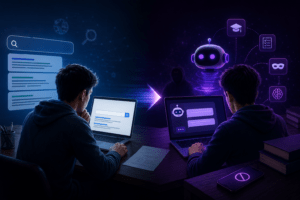
Today, learners often use multiple devices at the same time. A student can take an exam on a laptop while checking answers on a phone sitting next to the keyboard. Another learner may use a tablet placed outside the webcam view. Some may even connect a second monitor that the institution cannot detect.
This is where browser lockdown limitations become clear.
A lockdown browser can only control the device being used for the exam. It cannot monitor what happens on nearby devices or outside the screen.
That gap is creating new challenges for remote proctoring among schools, universities, certification providers, and enterprise training teams.
The Rise of Second Screen Cheating
Second-screen cheating is becoming more common because technology is easier to access than ever before.
Most learners already own multiple connected devices. During an online assessment, those devices can become hidden support tools.
Some of the most common examples include:
- Using smartphones to search for answers during exams
- Using tablets to access notes or study guides
- Reading AI-generated answers from another device
- Receiving off-screen help through messaging apps
- Using external monitors placed outside the camera view
- Getting help from voice assistants or smart devices
AI cheating in online exams is also growing quickly.
Generative AI tools can now answer questions, solve math problems, explain concepts, and even write essays within seconds. If a learner uses AI on a second device, traditional browser restrictions become much less effective.
This creates a difficult situation for institutions.
Many online assessments may appear secure on the surface, while hidden cheating activity happens outside the monitored browser environment.
Why This Matters for Institutions and Enterprises
The second screen problem is not just about catching individual cheaters.
It affects trust, credibility, compliance, and the value of credentials.
For higher education institutions, weak online assessment security can damage confidence in online programs. Students, faculty, and accreditation bodies may question whether assessments truly measure learning.
For certification providers, exam integrity directly affects the reputation of certifications and professional credentials.
For enterprise training teams, unreliable assessments can make it difficult to verify employee readiness, knowledge of compliance, or workforce skills.
As remote learning continues to expand, academic integrity in this context is becoming a growing operational issue.
Institutions also face another challenge. They must improve security without creating a stressful or overly invasive experience for learners.
Students expect privacy, fairness, and accessibility during online exams. Organizations need solutions that protect exam integrity while still supporting a positive testing experience.
The Shift Toward Layered Exam Integrity Solutions
The industry is now moving toward layered approaches to online assessment security.
Browser lockdown tools are still useful, but they work best when combined with additional monitoring and verification methods.
Modern exam integrity solutions may include:
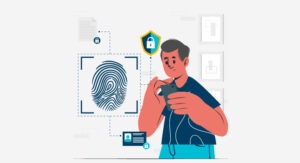
- Identity verification before exams
- AI-based behavior monitoring
- Webcam analysis during testing
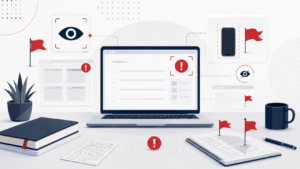
- Detection of suspicious eye movement or unusual behavior
- Human review for flagged incidents
- Audio monitoring during assessments
- Risk scoring based on testing patterns
The goal is not to create unnecessary surveillance.
The goal is to build trusted online testing environments that can scale while still protecting fairness and credibility.
Platforms like Proctortrack reflect the evolving landscape of online exam security. Instead of depending only on browser restrictions, many institutions are adopting layered systems that combine AI monitoring, behavioral analysis, and human oversight to address modern cheating risks more effectively.
This shift is becoming increasingly important as online learning and remote certification continue growing worldwide.
The Future of Online Exam Security
The second screen problem shows how quickly digital behavior is changing.
Learners now have constant access to phones, AI tools, smart devices, and external screens. That means institutions must think beyond the browser when designing secure assessments.
Online exam security is no longer about blocking tabs alone. It is about understanding behavior, identifying risk patterns, and creating trusted assessment environments that work at scale.
Organizations that adapt to these changes early will be better prepared to protect the value of credentials, maintain learner trust, and support the future of remote education.
Second-screen cheating is becoming one of the biggest threats to online assessment security. Phones, tablets, AI tools, and external devices are changing how institutions think about exam integrity.
To stay ahead, organizations need smarter and more balanced approaches that go beyond browser lockdown alone. Exploring layered exam integrity strategies and modern remote proctoring technologies can help institutions build more secure, scalable, and trusted online assessment experiences.