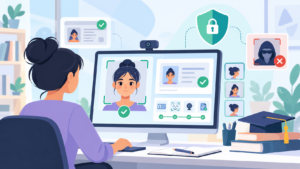
The person who submits a job application may not always be the person who completes the assessment or attends the interview.
With remote hiring becoming common and AI-powered impersonation tools improving, candidate identity verification is an important part of recruitment security.
For HR teams, checking identity once is no longer enough. They need to confirm that the same candidate participates throughout the hiring process.
This guide explains what recruiters should check, where verification gaps appear, and how connected hiring technology can help.
Why Candidate Identity Verification Matters
Remote recruitment makes hiring more flexible, but it can also create opportunities for identity substitution.
Someone may submit a genuine-looking application while another individual completes a technical assessment or attends an interview.
In October 2026, the FBI warned about fraudulent remote IT workers using stolen identities and other people to complete hiring activities.
The FBI recommends an approach called identity in depth: checking several signals throughout the employment process rather than trusting a single result.
For recruiters, this means identity verification should continue beyond the first application.
What HR Teams Should Check at Every Hiring Stage
1. Application Stage: Establish a Trusted Identity
The first checkpoint should connect a candidate’s application with a reliable identity reference.
HR teams should confirm basic application details, investigate important inconsistencies, and use an appropriate identity-proofing process when needed.
According to NIST’s Digital Identity Guidelines, identity proofing involves confirming identity evidence and linking it to the person presenting it.
MeritClaw establishes a facial reference during its application workflow. It also analyzes resumes against job descriptions and uses AI-assisted questions to examine claimed experience.
Its JD Fit and Authenticity Scores provide separate signals for recruiter review.
Key benefit: HR teams can connect early candidate evaluation with a reference used for later identity checks.
2. Assessment Stage: Confirm the Same Person Takes the Test
Passing an assessment means little if someone else completed it.
Before testing begins, recruiters should check whether the participant matches the previously established identity.
MeritClaw supports this through identity reverification at the assessment stage.
The platform also offers additional integrity controls:
- OS-level monitoring: Provides visibility into supported running applications and potentially unauthorized tools.
- Dual-camera monitoring: Uses a laptop webcam and smartphone camera for additional environmental visibility.
- Integrity reporting: Records relevant events for recruiter investigation.
These features help teams examine both identity continuity and assessment integrity.
A suspicious event still requires human review; it is not automatic proof of cheating.
3. Interview Stage: Reverify Identity Before the Conversation
A candidate could complete an assessment but have another person attend the final interview.
A video call alone does not always establish identity.
HR teams should confirm the participant’s identity before the interview and compare their answers with earlier assessment evidence.
MeritClaw supports identity reverification during monitored interviews conducted through Zoom or Google Meet.
Its live HR dashboard provides supported webcam, screen, secondary-camera, and application-activity views.
Recruiters can examine potential integrity incidents while interviewers focus on evaluating the candidate’s abilities.
Key benefit: The interview becomes part of a connected verification process instead of an isolated meeting.
4. Offer and Onboarding: Close the Final Verification Gap
Identity checks should not end when a candidate accepts an offer.
Before providing equipment, payroll access, or company credentials, employers should complete applicable identity, employment eligibility, and background checks.
Compare the new hire’s verified details with the recruitment records and investigate material inconsistencies.
This checkpoint matters especially for remote employees receiving access to sensitive systems.
MeritClaw’s application-to-interview identity history can support this review. However, employers still need separate legal identity or work-authorization checks where required.
How MeritClaw Connects Identity and Hiring Integrity
Many recruitment processes involve separate systems for applications, assessments, interviews, and monitoring.
This can make it harder to connect evidence across stages.
MeritClaw’s approach combines several capabilities:
- Identity continuity: Links facial verification checkpoints across application, assessment, and interview workflows.
- Resume claim probing: Helps recruiters investigate experience and qualifications.
- Job-specific assessments: Supports evaluation of skills related to the position.
- System-level visibility: Helps identify potentially unauthorized software during monitored sessions.
- Live integrity reporting: Gives HR teams supporting evidence for investigation.
The platform supports standalone hiring workflows and integration options for existing applicant tracking systems.
Built on more than 13 years of Proctortrack exam integrity technology, MeritClaw extends connected verification principles into recruitment.
Its core value is combining identity and evaluation evidence while keeping hiring decisions with people.
Protect Candidate Privacy and Fairness
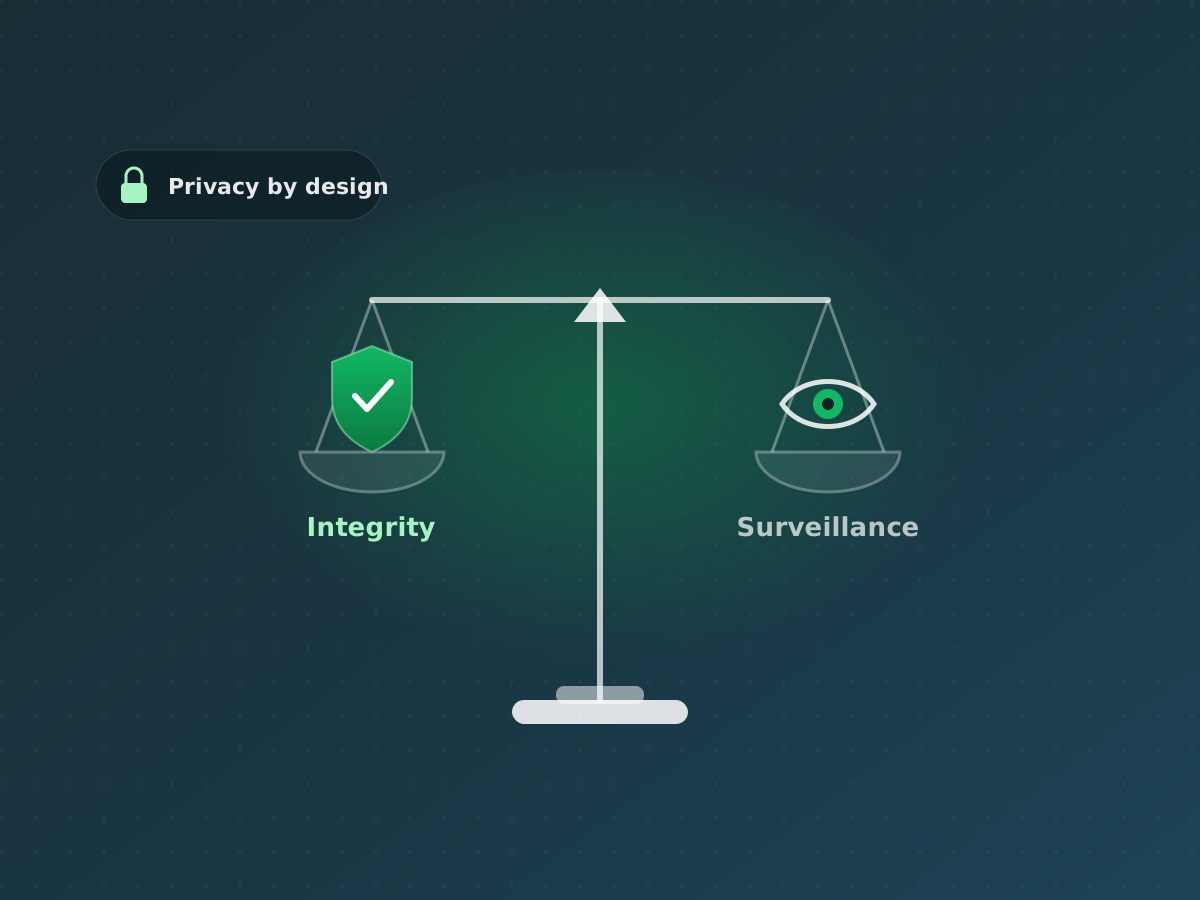
Identity verification must be accurate, transparent, and proportionate.
Recruiters should explain what information is collected, obtain required consent, provide reasonable accommodations, and avoid rejecting applicants based on a single alert.
MeritClaw’s Privacy Policy explains its identity checks and monitoring practices. Its Data Retention Policy sets default 30-day retention periods for facial references and session recordings, subject to documented configuration limits.
HR teams should also consider applicable EEOC guidance and Canadian privacy guidance.
Final Thoughts
Effective candidate identity verification is not a one-time task.
By checking identity at important hiring stages and reviewing supporting evidence fairly, HR teams can reduce impersonation risks while protecting genuine applicants.
Explore MeritClaw’s hiring verification capabilities or request a demo to understand its connected verification workflow.