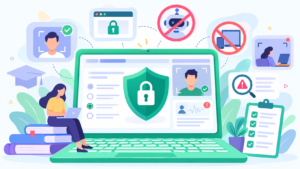
Certification fraud is no longer limited to leaked questions, impersonation, or unauthorized reference materials. Candidates may now use AI chatbots, browser extensions, and hidden copilots to generate answers, solve technical problems, and receive real-time assistance during online examinations.
The problem is not AI itself. These tools have legitimate applications in learning and professional development. The risk emerges when unauthorized assistance replaces independent performance in assessments designed to validate individual competence.
For certification bodies and enterprises managing remote hiring assessment security, the challenge is becoming more complex: how do you protect the value of a credential when external assistance can remain almost invisible?
The First Breakdown: Cheatbots Are Changing Exam Misconduct
Traditional certification security focused on preventing candidates from accessing external information. Secure environments restricted websites, while invigilators monitored suspicious behavior.
AI cheatbots have changed this equation.
Instead of searching through multiple sources, candidates can obtain structured explanations, generate code, summarize technical concepts, and draft written responses through a single interaction.
This creates a different kind of integrity risk. The candidate may not need to leave the assessment screen or spend time navigating search results.
For IT certifications, cybersecurity examinations, and professional knowledge tests, unauthorized AI assistance can create a misleading picture of a candidate’s actual capabilities.
The credential may be awarded correctly according to the submitted answers, yet the underlying skills remain unverified.
The Micro Gap: AI Extensions Hide in Everyday Workflows
Browser extensions introduce another layer of complexity.
Many AI tools operate directly within browsers, offering writing suggestions, summarization, coding assistance, and instant explanations. Some are legitimate productivity tools used daily by professionals.
During a restricted certification exam, however, an unauthorized extension can undermine the assessment’s intended conditions.
The difficulty is that traditional monitoring may focus on visible actions rather than the tools operating within the candidate’s digital environment.
A candidate can appear attentive while receiving external assistance, making it harder to distinguish independent performance from AI-supported responses.
For organizations seeking to prevent cheating in pre-employment tests, this creates a similar challenge. A candidate’s assessment score may reflect access to assistance rather than the skills required for the role.
When Hidden Copilots Undermine Skill Validation
AI copilots are increasingly integrated into coding environments, productivity applications, and digital workspaces.
In everyday professional settings, they can improve efficiency and help employees solve complex problems. In certification examinations, their acceptability depends on the assessment rules.
An open-resource exam may legitimately permit AI assistance. A test designed to measure independent coding ability or unaided technical knowledge may prohibit it.
The integrity gap appears when institutions fail to distinguish between permitted support and unauthorized intervention.
This is particularly significant in software engineering, cloud computing, cybersecurity, and technical recruitment, where certifications often serve as evidence of practical competence.
The solution is not to prohibit AI everywhere. It is to define permitted assistance clearly and ensure assessment controls reflect those rules.
The Overlooked Detail: A High Score Is Not Proof of Competence
Certification providers often evaluate success through scores, pass rates, and completion statistics.
But these metrics cannot independently establish whether a candidate completed an assessment under the intended conditions.
When unauthorized AI assistance goes undetected, organizations may issue credentials that overstate a candidate’s knowledge. Employers can then make hiring or promotion decisions based on unreliable signals.
The consequences extend beyond individual examinations. Repeated integrity failures can weaken employer confidence, increase verification costs, and reduce the perceived value of professional credentials.
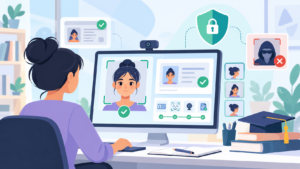
A stronger framework combines identity verification, appropriate browser and application restrictions, behavioral monitoring, and human review of suspicious events. No single control guarantees that every form of AI misuse will be detected.
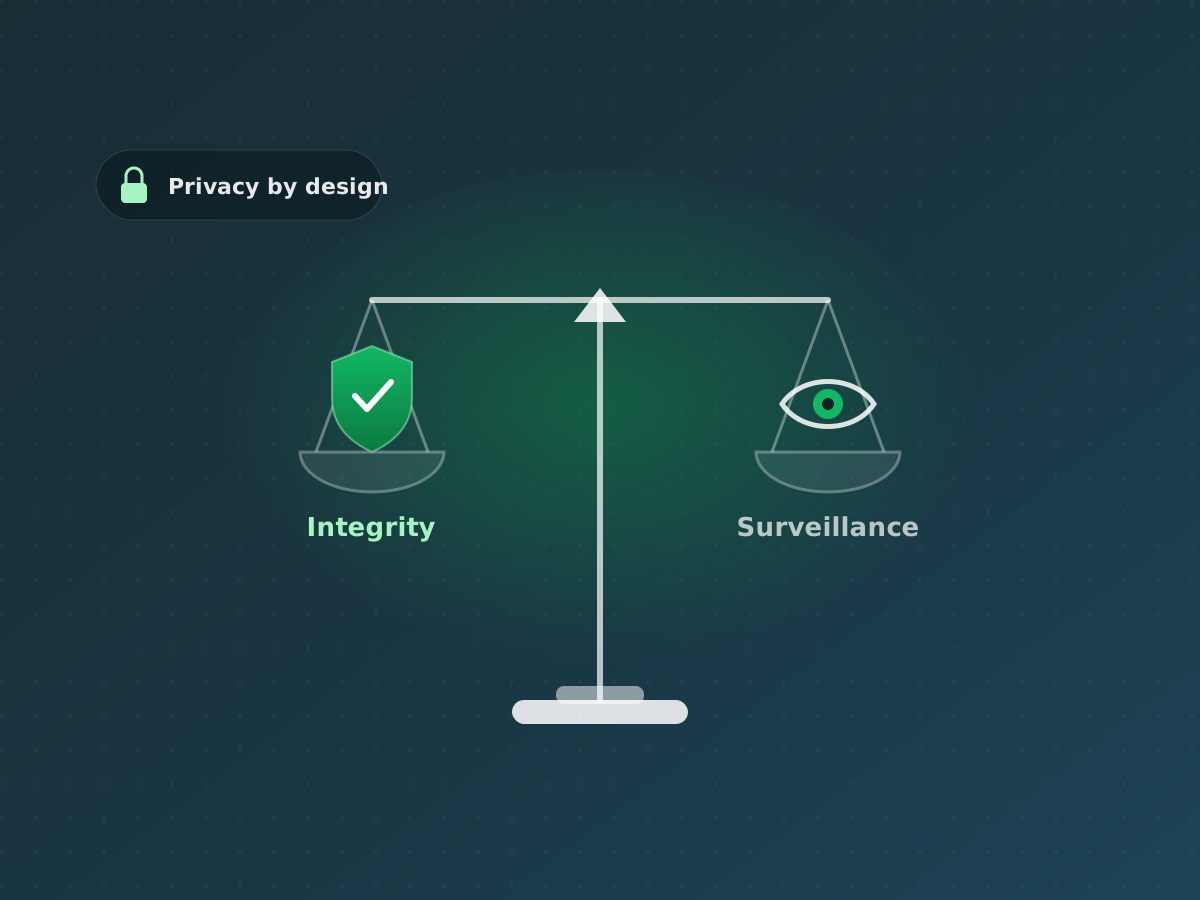
Assessment policies must also account for false positives. Using an AI tool should not automatically be treated as misconduct without considering the rules, evidence, and context.
The Future of Certification Integrity
AI-assisted certification fraud is changing what it means to validate professional competence. As cheatbots, browser extensions, and integrated copilots become more accessible, certification bodies must look beyond traditional cheating indicators.
Secure assessment environments, clear AI-use policies, continuous identity checks, and evidence-based review processes will become increasingly important. Solutions such as secure browsers and remote proctoring can support these efforts when configured to match the assessment’s requirements.
The objective is not to eliminate AI from professional development. It is to ensure that credentials accurately represent the abilities they claim to certify.
Because the real risk is not that candidates have access to advanced technology.
It is that organizations may certify expertise without knowing whether that expertise was demonstrated independently.