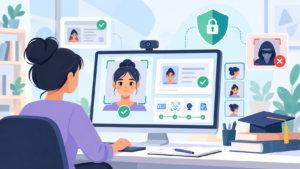
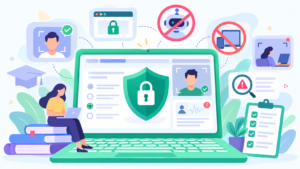
Equitable proctoring practices are more important than ever in today’s rapidly evolving educational landscape, especially with the continued growth of online learning. Whether assessments take place in traditional classrooms or virtual environments, proctoring plays a vital role in maintaining academic integrity. However, ensuring that these practices are fair, accessible, and inclusive is equally important for creating a trustworthy educational system.
Understanding Equitable Proctoring Practices
Equitable proctoring practices aim to create a fair and unbiased assessment environment where every student has an equal opportunity to demonstrate their knowledge and skills. These practices are built on the principles of accessibility, transparency, fairness, and consistency. By implementing equitable proctoring methods, educational institutions can maintain academic integrity while supporting diverse student needs.
Key Aspects of Equitable Proctoring Practices
Accessibility
Accessibility is one of the most important aspects of equitable proctoring practices. Educational institutions should provide appropriate exam accommodations so students with disabilities can participate on an equal basis with their peers. These accommodations may include additional exam time, alternative assessment formats, or assistive technologies.
Furthermore, proctoring solutions should be compatible with multiple devices, browsers, and operating systems. This ensures that students are not disadvantaged because of their technology or accessibility requirements.
Bias Reduction
Equitable proctoring practices should actively reduce bias throughout the assessment process. This includes developing proctoring software that performs fairly regardless of a student’s race, gender, ethnicity, or socioeconomic background. It also involves training proctors to recognize and minimize unconscious bias.
For example, facial recognition technology should be thoroughly tested and validated across diverse demographics to ensure accurate and equitable performance for every student.
Privacy Protection
Protecting student privacy is an essential component of equitable proctoring. Students should have confidence that their personal information and examination data remain secure throughout the assessment process.
Educational institutions should ensure that monitoring activities are not unnecessarily intrusive and that all collected data is securely stored, accessed only by authorized personnel, and used solely for legitimate academic purposes. Clear privacy policies should also be communicated before every proctored examination.
Consistent Standards
Maintaining consistent standards is critical for ensuring fairness during online assessments. Every student should follow the same proctoring rules, examination procedures, and evaluation criteria.
Clearly defined policies help create a standardized testing environment where all students are assessed under equal conditions, promoting fairness and transparency throughout the examination process.
Transparency
Transparency is another essential element of equitable proctoring practices. Students should understand how proctoring software works, what information is collected, how their data is protected, and what monitoring methods are used during examinations.
Providing clear and timely communication helps students understand their rights and responsibilities while building trust in the assessment process.
Technology Considerations
Proctoring technologies should be designed to support students with varying levels of technology access. Systems should function effectively on different devices, operating systems, and internet speeds to minimize technical barriers.
Additionally, institutions should provide alternative assessment or proctoring options for students who lack access to the required technology, ensuring equal opportunities for all learners.
The Challenges of Equitable Proctoring
Although equitable proctoring practices provide many benefits, implementing them can present several challenges. Educational institutions must carefully address these issues to create a fair, secure, and inclusive assessment environment.
Technological Barriers
Not every student has access to reliable internet connectivity or modern computing devices. These technological limitations can negatively affect the online examination experience.
Institutions should recognize these challenges and offer technical support, flexible scheduling, or alternative assessment methods whenever possible.
Privacy Concerns
Online proctoring software often includes webcam monitoring, screen recording, and identity verification, which may raise legitimate privacy concerns.
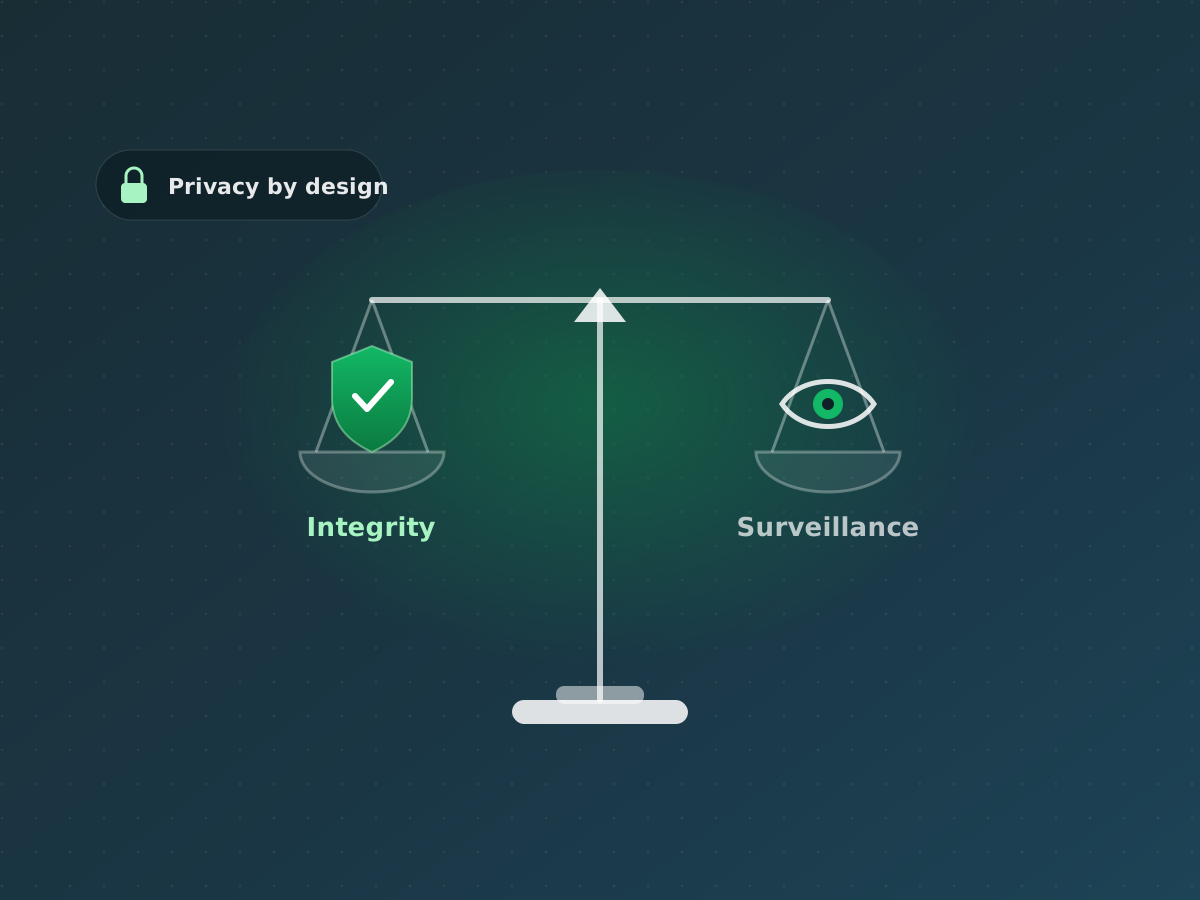
Educational institutions should carefully balance academic integrity with student privacy by implementing transparent policies and complying with applicable data protection regulations.
Bias in Proctoring Software
Automated proctoring technologies, including facial recognition and behavioral analysis tools, may unintentionally introduce bias if they are not properly tested.
Institutions should regularly evaluate and validate these technologies to ensure they provide fair and accurate results for students from diverse backgrounds.
Student Anxiety and Stress
Being monitored during an examination can increase student anxiety and stress, potentially affecting academic performance.
Providing practice sessions, clear instructions, technical support, and transparent communication can help students feel more comfortable and confident during online assessments.
Best Practices for Equitable Proctoring
To overcome these challenges, educational institutions should adopt the following equitable proctoring best practices.
Provide Clear Guidelines
Clearly communicate proctoring policies, examination procedures, technical requirements, permitted resources, and available accommodations before every assessment.
Offer Technical Support
Provide reliable technical assistance before, during, and after examinations to help students resolve software or connectivity issues quickly.
Accommodate Diverse Needs
Recognize that students have different learning needs, accessibility requirements, and technology limitations. Offer appropriate accommodations and alternative assessment methods whenever necessary.
Regularly Review and Update Policies
Continuously review and improve proctoring policies to address emerging technologies, accessibility requirements, student feedback, and changing educational standards.
Train Proctors and Faculty
Provide ongoing training for proctors and faculty members on equitable proctoring practices, accessibility requirements, consistent policy implementation, and bias awareness.
Respect Student Privacy
Implement privacy-focused proctoring practices that comply with applicable data protection laws. Be transparent about data collection, storage, retention, and usage while ensuring student information remains secure.
Summing Up
Equitable proctoring practices are essential for maintaining fair, inclusive, and secure academic assessments. By prioritizing accessibility, reducing bias, protecting student privacy, maintaining transparency, and applying consistent standards, educational institutions can create an assessment environment that supports every learner.
Although challenges such as technological barriers, privacy concerns, and software bias continue to exist, institutions can overcome them by adopting best practices and continuously improving their proctoring policies. As online education continues to evolve, equitable proctoring practices will remain critical for protecting academic integrity while ensuring equal opportunities for all students.