
The New Exam Black Market How Students Hire Proxy Test Takers Online
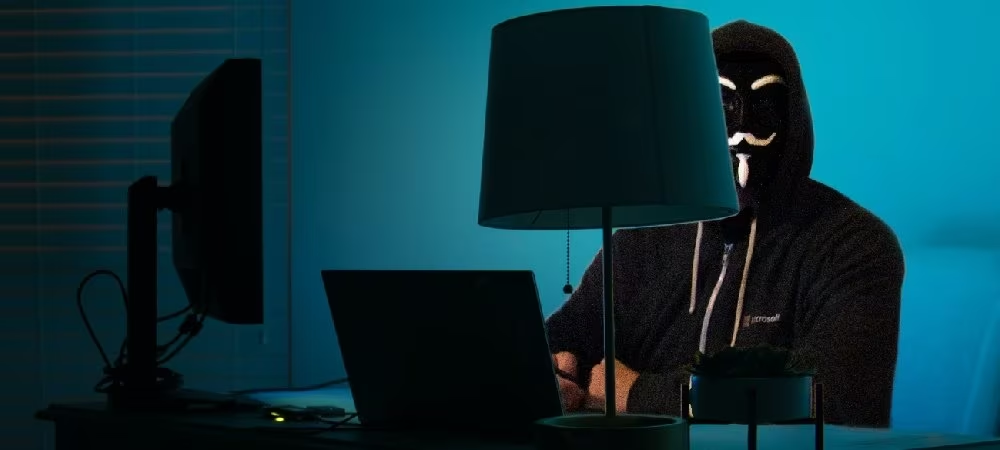
The person answering an online exam may not always be the person who registered for it. As remote assessments expand across universities, certification programs, professional training, and corporate hiring, proxy test-takers create a different kind of exam-integrity problem. Instead of finding answers during an exam, a candidate can attempt to outsource the assessment itself. This […]
Scaling Talent Without Scaling Risk: The Hidden Truth About Bulk Hiring Integrity

Bulk hiring is often mistaken for a volume problem. In reality, it is a precision problem disguised as scale. When thousands of candidates enter an assessment funnel simultaneously, the smallest inconsistencies amplify into systemic risks. What appears efficient on the surface often masks a deeper issue: integrity dilution. In this environment, high-volume hiring assessment tools […]
Low-Bandwidth Environments and Security Gaps: What Breaks First?
In the global rush toward digital assessments, one silent variable continues to undermine even the most advanced systems: bandwidth. Not AI, not impersonation, not even policy gaps. When connectivity weakens, the very foundation of a secure remote exam infrastructure begins to fracture in subtle but critical ways. Low-bandwidth environments are no longer edge cases. They […]
Bridging the Education-to-Employment Gap: The Digital Skills Revolution

The modern workplace is evolving faster than traditional education can keep pace. While universities continue issuing degrees based on centuries-old models, employers are desperately seeking candidates with job-ready skills that weren’t even mentioned in most curricula five years ago. This widening chasm between what students learn and what the workforce demands has created an urgent […]
Privacy vs Proctoring: Is There Really a Trade-Off in Online Exam Monitoring?
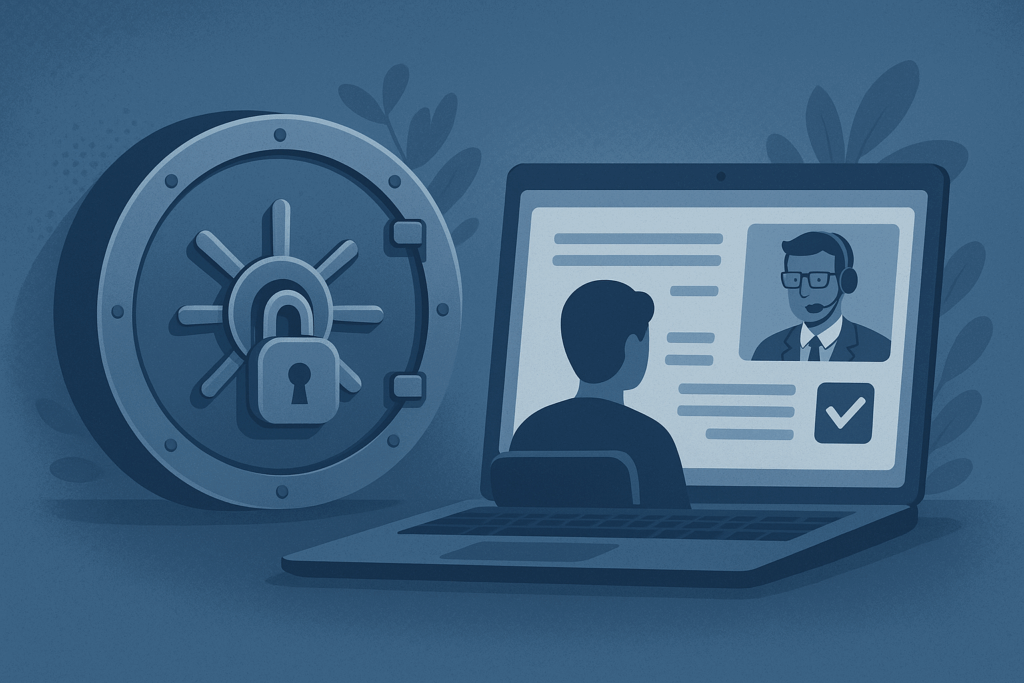
As education continues to shift toward digital platforms, online exam proctoring solutions have become essential for maintaining academic integrity in remote learning environments. However, this shift has also raised an important question: Are students sacrificing privacy for exam security? This blog explores the balance between privacy and online proctoring systems, and how modern solutions like […]
Testing Across Time Zones: Best Practices for Secure Global Online Exam Scheduling

As online education, professional certifications, and remote assessments continue to expand globally, organizations face a growing challenge: how to deliver secure online exams across multiple time zones without compromising exam integrity. Traditional fixed testing windows are no longer practical for international candidates. Today, successful global online exam scheduling requires a balance between flexibility, fairness, and […]
How ChatGPT 4.0 Is Transforming Education for Students and Educators
The education sector is evolving rapidly, and artificial intelligence (AI) is driving this transformation. Among the most powerful AI innovations, ChatGPT 4.0 has emerged as a valuable tool for both students and educators. Developed by OpenAI, ChatGPT 4.0 offers advanced language understanding, improved reasoning, contextual responses, and multilingual support that make learning more engaging and […]
Supporting Every Learner: Accommodations in Remote Proctoring for Students
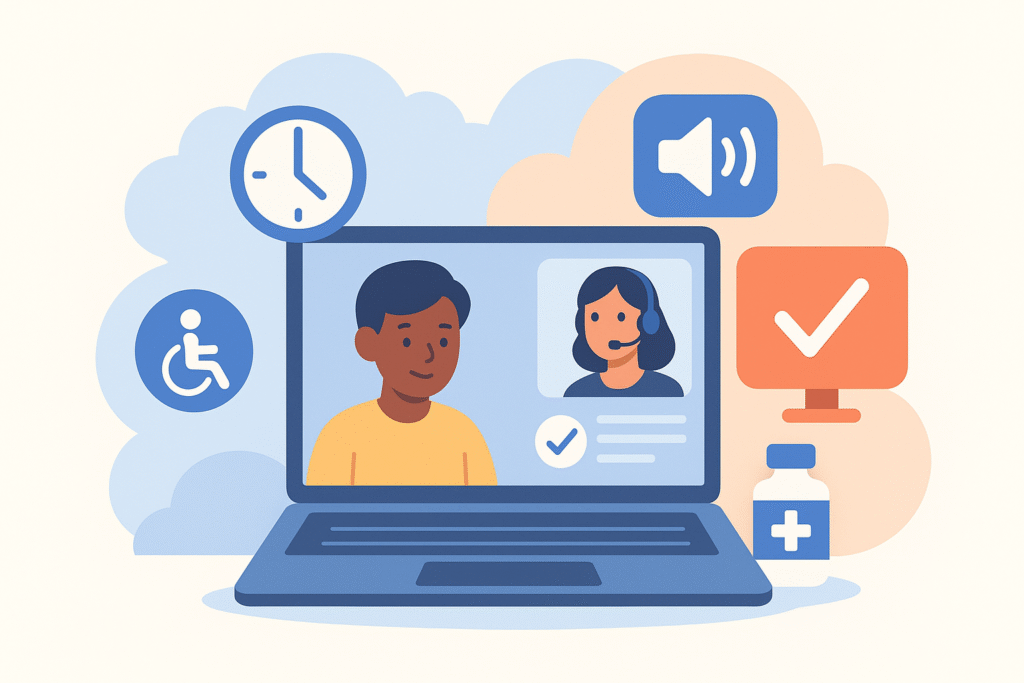
In today’s digital learning environment, remote exams have become the new normal across higher education in the USA and Canada. While they offer flexibility and convenience, it’s equally important to ensure that students with diverse needs have a fair chance to succeed. That’s where accommodations come in. Whether it’s extra time, assistive technology, or flexible […]
Shielding Exam Integrity: How Proctoring Protects Exam Data from Breaches
In today’s digital-first learning environment, online exams are no longer a novelty — they are the norm. Whether it’s higher education, corporate certifications, or licensure tests, institutions and organizations worldwide are embracing remote assessment platforms for their convenience and scalability. But with great convenience comes a greater risk: data breaches. From leaking exam questions to […]
Zero Humans, Total Security: Can Fully Automated AI Proctoring Work Alone?
As online learning, certification, and remote assessments continue to grow, maintaining online exam integrity has become more challenging than ever. Students now have access to AI tools like ChatGPT, making traditional exam monitoring less effective and significantly increasing the risk of academic misconduct. This shift has accelerated the adoption of AI-powered remote proctoring solutions that […]